

International
DJ
7DRE
DJ from Cagliari for private parties, venues and events: tailor-made music and a dancefloor that stays full.
From €50View →
Planning a party and wondering what a good DJ actually costs? Here are honest, realistic price ranges — European guide prices in euros — with no commission and no hidden fees.
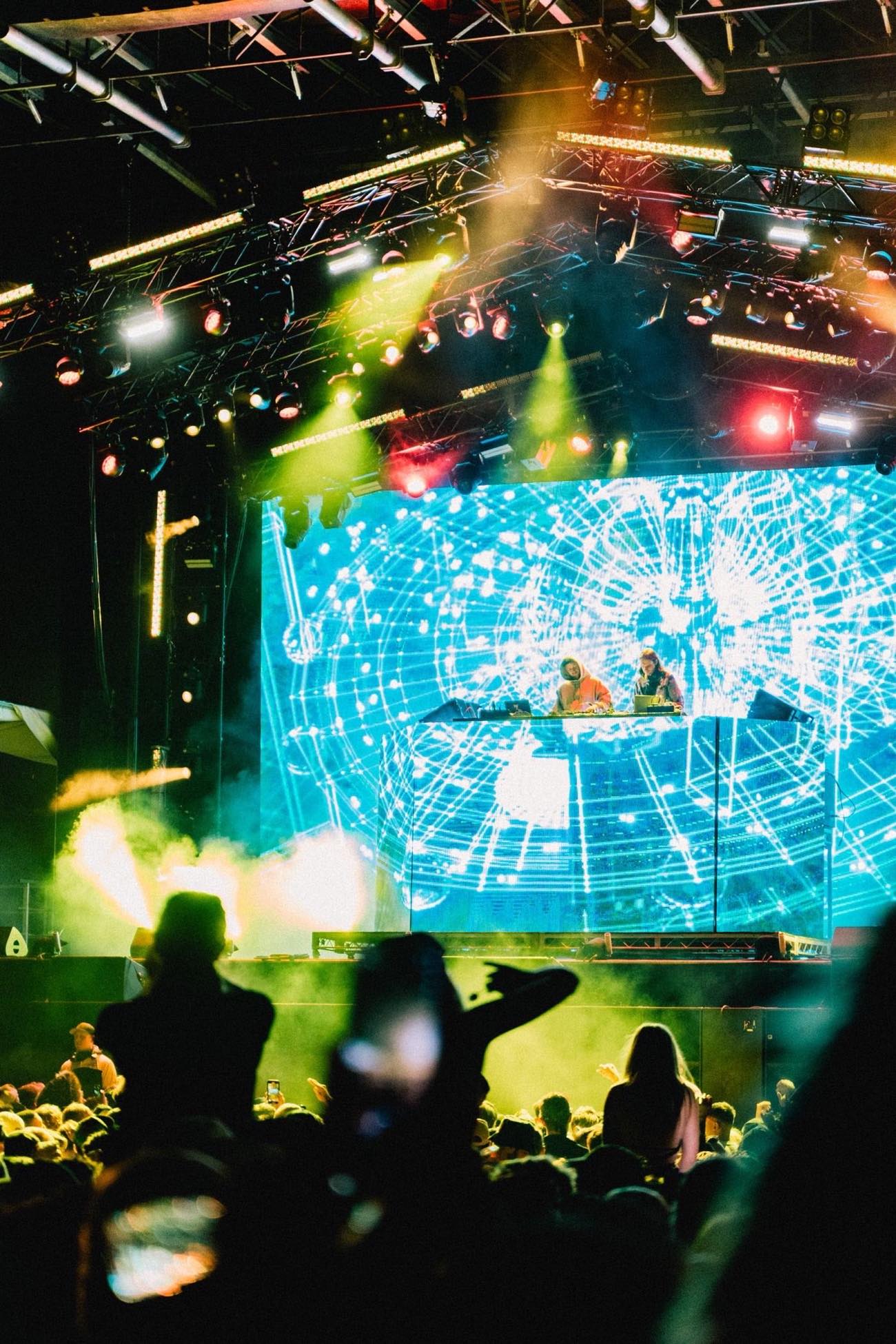
A good DJ does far more than press play. They read the room, take requests in their stride and keep the dance floor busy until the very last song. Across Europe, most party DJs charge somewhere between €300 and €600 for a standard four-hour set, while experienced wedding DJs with a full sound and lighting rig typically ask €500 to €1,100; UK rates tend to sit at the upper end of those ranges.
The figures below are indicative from-prices in euros, based on what professional DJs across Europe typically charge. Every booking is different, so treat them as a starting point and agree the final fee directly with the DJ — on EuroActs there is no commission and no middleman taking a cut.
| Birthday party (4 hours) | €300 – €600 |
| Wedding (afternoon and evening) | €500 – €1,100 |
| Corporate party or staff do (5 hours) | €450 – €950 |
| Kids' disco (2 hours) | €200 – €400 |
| Club or bar set (2 hours) | €250 – €500 |
| All-inclusive package with sound and lighting | €600 – €1,400 |
How a typical quote adds up. The figures are the guide ranges from the table above; what this shows is the lines that quotes often leave out.
| DJ for the afternoon and evening (ceremony, dinner, party) | €500 – €1,100 |
| Sound system and basic lighting for the room | usually included |
| Wireless microphone for speeches | usually included |
| Travel within the agreed radius | usually included |
| Travel beyond it, or an overnight stay | quoted separately |
| Overtime past the agreed end time | per hour, agree in advance |
| Realistic all-in for a wedding (European guide range) | €500 – €1,400 |
Guide ranges, not fixed prices: the real fee depends on date, distance, hours and experience. On EuroActs you agree the price directly with the DJ — no commission and no agency in between.
A DJ's fee is rarely just the hours behind the decks. Most of the work happens before the night: a call about your running order, building and checking the playlist, loading and testing gear, and arriving two hours early to set up. A four-hour party is usually an eight-hour day.
Normally included: the performance itself, a professional sound system suitable for the room, basic lighting, a wireless microphone for speeches, public liability insurance and a pre-event conversation. Usually not included: travel beyond an agreed radius, accommodation for late finishes or long distances, extra lighting or effects, a second set-up in another room, and overtime past the agreed end time.
When you compare two quotes, compare what they cover rather than the headline figure. A €700 quote with sound, lighting and travel included is cheaper than a €550 quote where all three are added afterwards.
Hourly thinking is the most common mistake people make when budgeting for a DJ, because almost no DJ prices that way. A birthday party of four hours sits at €300 – €600, which looks like €75 – €150 an hour — but the same DJ will not do one hour for a quarter of that. The set-up, the travel and the preparation happen whether you book four hours or one.
What does change with time is the tail. Most quotes cover an agreed window; beyond that, overtime is charged per hour or per half hour and it is usually the most expensive part of the night. Agree the end time up front, and agree what an extra hour costs before you need it at one in the morning.
A useful way to sanity-check a quote: take the all-in figure, divide it by the number of guests, and ask whether the entertainment for the whole night is worth that per person. For a wedding of a hundred people, €800 is eight euros a head.
A wedding costs more than a birthday with the same number of guests and the same hours, and it is not because of the word. A wedding DJ is usually present from the afternoon, handles the ceremony or reception sound, works around speeches and the first dance, coordinates with the photographer and caterer, and cannot take a second booking that day. That is why weddings sit at €500 – €1,100 against €300 – €600 for a birthday party.
Corporate events and staff parties (€450 – €950 for five hours) sit in between. They are usually shorter and more predictable than a wedding, but they come with their own demands: a stricter schedule, sometimes a presentation or awards segment to mix around, and a venue with its own rules about noise and finish times.
At the lower end, a kids' disco of two hours is €200 – €400 and a club or bar set of two hours is €250 – €500. Club sets are cheaper not because they are easier, but because the venue usually supplies the sound system and the lighting.
The difference between a cheap DJ and a good one shows up at exactly one moment: when the floor empties and something needs to change. Reading a room is not a skill you can see in a price list, but it is what you are actually paying for.
Concrete things that justify a higher fee: their own well-maintained sound and lighting rather than hired gear, public liability insurance, a written contract with a clear cancellation clause, a backup plan if equipment fails, and being reachable in the weeks before. Experience with your specific type of event matters more than years in the business.
Be careful when a quote is far below the ranges here and comes without references, without video of a real event and without anything in writing. The two hundred euros you save disappear the moment nobody turns up, and there is no second chance at a wedding.
Most of the spread between quotes comes not from the fee but from each DJ assuming something different. Put the same five facts in every enquiry and the quotes come back comparable.
The figures on this page are European averages in euros. Within Europe the spread is real: the UK, Ireland and the Nordics sit at the top end of these ranges, the Netherlands, Germany, France and Austria around the middle, and Southern and Central Europe at the lower end. A wedding DJ in London and one in Porto are not the same market.
If you are booking across a border, settle two things early: VAT on cross-border services, and travel. Beyond roughly three hours of driving an overnight stay is standard, and that is a line you would rather see in the quote than on the invoice.
Real profiles in this category. Where a price is shown, the artist set it themselves. You contact them directly — no commission, no middleman.
DJ
DJ from Cagliari for private parties, venues and events: tailor-made music and a dancefloor that stays full.

Club DJ / house DJ
Cris Vibe, club DJ based in Milan and available in the Milan area.

DJ
House, tech house and techno DJ and producer from Porto, with high-energy sets for private parties.

DJ
Latin and reggaeton DJ for weddings and private parties in Madrid and the surrounding area.

DJ
DJ Hoddy – over 25 years of musical experience, from retro to techno, with his own sound and lighting.

DJ
House and timeless 80s and 90s hits that keep every guest on the dance floor.
For weddings and December dates, six to twelve months ahead is sensible. For a birthday or private party, one to three months is usually enough — though popular DJs fill their Saturdays quickly.
No — they are indicative from-prices to help you budget. You agree the final fee directly with the DJ, and EuroActs charges no commission on top.
Most professional DJs bring a complete set-up: decks, PA and basic lighting. Always confirm what is included, especially at larger venues that may need extra sound.
Absolutely. Most DJs ask for your favourites and your no-gos in advance, and will happily take requests on the night — just agree the approach beforehand.
A wedding DJ covering the afternoon and evening typically sits at €500 – €1,100. If you want a package with a fuller sound and lighting set-up, expect €600 – €1,400. The premium over an ordinary party comes from the long day, the coordination around speeches and the first dance, and the fact that the DJ cannot take another booking that day.
Four hours at a private party is €300 – €600 in most of Europe. Do not read that as an hourly rate: set-up, travel and preparation happen whether the set is four hours or one, so a shorter booking is rarely proportionally cheaper.
Across the event types in this guide, most private bookings land between €300 and €900. The averages that circulate online are usually pulled from one country and one type of event, which is why they vary so wildly — a kids' disco at €200 and a full wedding package at €1,400 are both 'a DJ'.
Not automatically. Price reflects experience, demand and how much work the booking involves, not how the night goes. Video of a real event, references from events like yours, and a conversation beforehand tell you far more: a DJ who asks the right questions about your running order has done it many times.
Usually not — most mobile DJs bring a system suited to the room size and basic lighting. In a club or bar the venue normally provides it, which is part of why club sets are cheaper. Always confirm who supplies what, and whether the venue has a noise limiter or a hard finish time.
A proper contract covers it. Ask before booking what happens in case of illness and whether there is a network to provide a replacement. Check your own side too: until when can you cancel free of charge, and what is payable after that.
Found your sound? Browse DJ profiles on EuroActs, message them directly and book a DJ near you without commission or hidden fees. Choose your plan. For National or International, choose monthly or yearly billing. The first subscription payment is charged immediately when you confirm in Stripe. Your chosen amount is then charged automatically each billing period.